In today’s health-conscious world, many are looking to transform their diets in pursuit of better health and well-being. One of the most effective ways to achieve this is through mastering low-fat cooking. By reducing the amount of fat in your diet, you can improve heart health, manage weight, and enjoy more energy throughout the day. This article will guide you through the essentials of low-fat cooking, providing tips, techniques, and recipes to help you make a positive change.
Understanding Fats: The Good, the Bad, and the Necessary
Before diving into the strategies of low-fat cooking, it’s essential to understand the role of fats in our diet. Fats are often categorized into three types: saturated, unsaturated, and trans fats. Each type has different effects on the body.
Saturated Fats
Saturated fats are typically solid at room temperature and are found in animal products such as butter, cheese, and red meat. High intake of saturated fats is associated with increased cholesterol levels, which can lead to heart disease.
Unsaturated Fats
These fats are considered healthy and are found in foods like avocados, nuts, and olive oil. They help reduce bad cholesterol levels and are essential for maintaining cell health.
Trans Fats
Often found in processed foods, trans fats are the most harmful type of fat. They increase bad cholesterol and lower good cholesterol, significantly raising the risk of heart disease.
The Benefits of Low-Fat Cooking
Transitioning to low-fat cooking offers numerous health benefits. By reducing unhealthy fats, you can lower your risk of chronic diseases such as heart disease, obesity, and diabetes. Additionally, a low-fat diet can help in maintaining a healthy weight and provide more energy for daily activities.
Essential Tips for Low-Fat Cooking
To master low-fat cooking, consider the following strategies that can help reduce fat content in your meals without sacrificing flavor:
Choose Lean Cuts of Meat
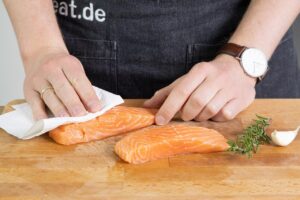
Opt for lean cuts of meat such as chicken breast, turkey, and fish. Trim visible fat and skin before cooking to further reduce fat content.
Use Non-Stick Cookware
Non-stick cookware allows you to cook with less oil, reducing the overall fat content of your meals. If you need to use oil, opt for cooking sprays or measure oil with a teaspoon.
Incorporate More Plant-Based Foods
Vegetables, fruits, and legumes are naturally low in fat. Incorporate these foods into your meals to add volume and nutrients without adding excessive calories.
Experiment with Flavor Enhancers
Use herbs, spices, citrus, and vinegar to add flavor to your dishes instead of relying on butter or oil. This not only reduces fat but also enhances the taste of your meals.
Modify Cooking Techniques
Opt for cooking methods that require little to no added fat, such as steaming, grilling, baking, and poaching. Avoid deep-frying, which can significantly increase fat content.
Low-Fat Cooking Techniques
Mastering low-fat cooking involves learning new techniques that emphasize flavor and texture without relying on excessive fats. Here are some methods to consider:
Steaming
Steaming preserves the nutrients in vegetables while keeping them tender and flavorful. Invest in a good steamer basket or use a pot with a lid and a bit of water.
Grilling
Grilling adds a smoky flavor to meats and vegetables without the need for added fats. Use a grill pan or an outdoor grill for best results.
Baking
Baking is a versatile method that can be used for meats, vegetables, and even desserts. By using parchment paper or silicone baking mats, you can reduce the need for oil or butter.
Poaching
Poaching involves cooking food gently in water or broth, which adds flavor without adding fat. This method is ideal for delicate proteins like fish or eggs.
Low-Fat Ingredients to Stock Your Pantry
Creating a low-fat kitchen begins with stocking your pantry with the right ingredients. Here are some essentials:
Whole Grains
Choose whole grains like quinoa, brown rice, and oats. They are high in fiber and help keep you full longer.
Legumes
Beans, lentils, and chickpeas are excellent sources of plant-based protein and are naturally low in fat.
Fruits and Vegetables
Fresh, frozen, or canned fruits and vegetables (without added sugars or syrups) are vital for a balanced, low-fat diet.
Lean Proteins
Stock up on chicken breast, turkey, fish, and plant-based proteins such as tofu and tempeh.
Low-Fat Dairy
Choose low-fat or non-fat dairy options for milk, yogurt, and cheese to reduce saturated fat intake.
Delicious Low-Fat Recipes to Try
Here are a few simple low-fat recipes to get you started on transforming your diet:
Grilled Lemon Herb Chicken
Ingredients:
– 4 boneless, skinless chicken breasts
– 2 lemons, juiced
– 3 cloves garlic, minced
– 1 tablespoon olive oil
– 1 teaspoon dried oregano
– Salt and pepper to taste
Instructions:
1. In a bowl, mix lemon juice, garlic, olive oil, oregano, salt, and pepper.
2. Marinate chicken breasts in the mixture for at least 30 minutes.
3. Preheat grill to medium-high heat.
4. Grill chicken for 6-7 minutes on each side or until fully cooked.
5. Serve with a side of steamed vegetables.
Vegetable Stir-Fry
Ingredients:
– 1 tablespoon soy sauce
– 1 tablespoon rice vinegar
– 1 teaspoon sesame oil
– 1 clove garlic, minced
– 1 cup broccoli florets
– 1 cup sliced bell peppers
– 1 cup sugar snap peas
– 1 cup sliced mushrooms
Instructions:
1. In a small bowl, mix soy sauce, rice vinegar, sesame oil, and garlic.
2. In a large pan or wok, sauté vegetables over medium heat until tender.
3. Add sauce and stir until vegetables are coated and heated through.
4. Serve over brown rice or quinoa.
Conclusion
Mastering low-fat cooking is a powerful way to transform your diet and improve your overall health. By understanding the types of fats and implementing the tips and techniques discussed in this article, you can enjoy delicious meals that are both satisfying and healthy. Embrace this culinary journey and discover the benefits of a low-fat diet today.
#ChatGPT assisted in the creation of this article.