In today’s fast-paced world, maintaining a healthy diet can often feel like a daunting task. With busy schedules and the convenience of fast food, it’s easy to fall into the habit of unhealthy eating. However, with a little planning and preparation, you can master the art of healthy meal prep and ensure that nutritious meals are always within reach. This guide will provide you with quick and nutritious tips to streamline your meal prep process while keeping your diet balanced and exciting.
Why Meal Prep?
Meal prepping is not just about saving time; it’s about taking control of your nutrition. By dedicating a few hours each week to preparing your meals, you can ensure that you’re eating healthy, balanced meals throughout the week. Meal prepping can help you avoid the temptation of fast food and reduce food waste, ultimately saving money. Additionally, having ready-to-eat meals can reduce stress and decision fatigue, allowing you to focus on other important tasks.
Getting Started with Meal Prep
The key to successful meal prep is organization. Start by selecting a day of the week to dedicate a few hours to meal preparation. Sundays are popular for many people, but choose a day that fits your schedule. Gather all necessary ingredients and tools, such as containers, a sharp knife, a cutting board, and a reliable set of pots and pans. Plan your meals for the week, focusing on balance and variety.
Create a Meal Plan
Before you start cooking, take some time to create a meal plan. Consider your nutritional needs and preferences, and aim to include a variety of proteins, carbohydrates, and vegetables. A well-rounded meal plan should cover breakfast, lunch, dinner, and snacks. Don’t forget to incorporate some of your favorite dishes to keep your meals enjoyable.
Shop Smart
Once you have a meal plan, create a shopping list to ensure you have all the ingredients you need. Shopping with a list can help you avoid impulse purchases and stick to your budget. Opt for fresh, seasonal produce whenever possible, as it tends to be more flavorful and affordable. Don’t forget to stock up on pantry staples like grains, beans, and spices.
Quick and Nutritious Meal Prep Tips
Batch Cooking
One of the most effective ways to streamline meal prep is through batch cooking. Prepare large quantities of staples like grains, proteins, and roasted vegetables, then store them in the fridge or freezer. This allows you to mix and match components to create different meals throughout the week. For example, cook a large batch of quinoa or brown rice and pair it with different proteins and vegetables for variety.
Utilize a Slow Cooker or Instant Pot
A slow cooker or Instant Pot can be a lifesaver when it comes to meal prep. These appliances allow you to cook large quantities of food with minimal effort. Simply add your ingredients, set the timer, and let the machine do the work. From soups and stews to shredded chicken and beans, the possibilities are endless.
Prep Ingredients in Advance
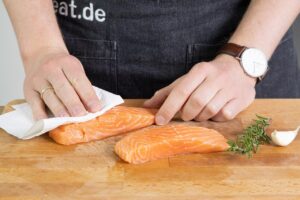
Chop vegetables, marinate proteins, and portion out snacks ahead of time to save time during the week. Having prepped ingredients on hand makes it easy to assemble meals quickly. Consider storing pre-cut vegetables in airtight containers or bags to maintain freshness.
Embrace Sheet Pan Meals
Sheet pan meals are a quick and easy way to prepare a balanced dinner with minimal cleanup. Simply arrange your choice of protein, vegetables, and seasonings on a baking sheet and roast in the oven. Experiment with different combinations, such as chicken with sweet potatoes and broccoli, or salmon with asparagus and cherry tomatoes.
Ensuring Nutrition and Variety
Balance Your Plate
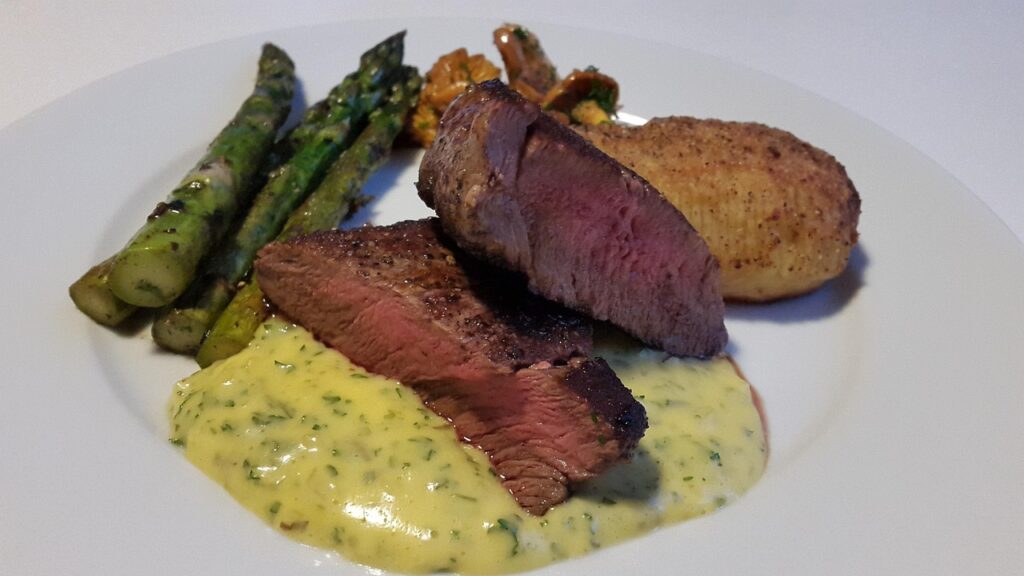
A balanced meal should include a source of protein, carbohydrates, and healthy fats. Aim to fill half your plate with vegetables, a quarter with lean protein, and a quarter with whole grains or starchy vegetables. Don’t forget to include healthy fats, such as avocados, nuts, or olive oil, to enhance flavor and satiety.
Incorporate a Rainbow of Colors
Eating a variety of colorful fruits and vegetables ensures you’re getting a wide range of nutrients. Each color represents different vitamins and minerals, so aim to include as many colors as possible in your meals. For example, add spinach, bell peppers, carrots, and purple cabbage to your salads for a nutrient-packed meal.
Experiment with Herbs and Spices
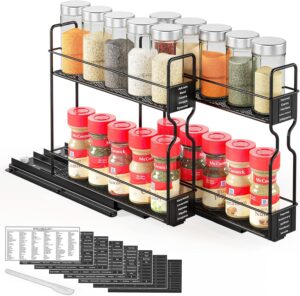
Herbs and spices are a great way to add flavor to your meals without extra calories or sodium. Experiment with different combinations to keep your meals exciting. Fresh herbs like basil, cilantro, and parsley can brighten up any dish, while spices like cumin, paprika, and turmeric add warmth and depth.
Storing and Reheating Meals
Proper Storage
Proper storage is essential for maintaining the freshness and safety of your meals. Invest in high-quality, airtight containers to keep your food fresh for longer. Glass containers are a great option, as they are durable, microwave-safe, and don’t absorb odors. Label your containers with the date and contents to keep track of what you have on hand.
Reheating Tips
When it comes to reheating meals, the microwave is a convenient option, but it can sometimes result in uneven heating. To avoid this, stir your food halfway through reheating and cover with a damp paper towel to retain moisture. Alternatively, use the oven or stovetop to reheat dishes for a more evenly cooked result.
Overcoming Common Meal Prep Challenges
Avoiding Boredom
One of the most common challenges in meal prepping is avoiding boredom. To keep things interesting, rotate your recipes every couple of weeks and try new cuisines or ingredients. Incorporate theme nights, such as Taco Tuesday or Meatless Monday, to add variety to your meals.
Managing Time Effectively
Time management is crucial when it comes to meal prep. Set a timer to keep yourself on track and focus on one task at a time. Consider enlisting the help of family members or roommates to speed up the process. Remember, practice makes perfect, and the more you meal prep, the more efficient you’ll become.
Dealing with Limited Ingredients
If you’re working with a limited selection of ingredients, get creative with what you have on hand. Utilize pantry staples like canned beans, frozen vegetables, and whole grains to create simple, nutritious meals. Don’t be afraid to experiment with different flavor profiles and cooking methods to make the most of your ingredients.
Conclusion
Mastering healthy meal prep is a valuable skill that can transform your diet and lifestyle. With a little planning and creativity, you can enjoy quick, nutritious meals throughout the week without the stress of daily cooking. By incorporating these tips and techniques into your routine, you’ll be on your way to a healthier, more organized life. Happy meal prepping!
#ChatGPT assisted in the creation of this article.