In today’s fast-paced world, maintaining a healthy lifestyle has become more important than ever. With a rise in lifestyle-related diseases, it is crucial to focus on what we eat. Low-calorie meals can be a game changer for anyone looking to shed some pounds or simply lead a healthier life. This article explores the world of delicious low-calorie meals that not only promote weight loss but also ensure you don’t compromise on taste.
Understanding Calories and Their Role
Calories are the units of energy that fuel our bodies. Consuming more calories than our body needs can lead to weight gain, while consuming fewer can lead to weight loss. It is important to understand that not all calories are created equal. The source of these calories can significantly impact your health. Focusing on nutrient-dense, low-calorie foods can provide your body with the essential nutrients it needs.
Benefits of Low-Calorie Meals
Embracing a low-calorie diet comes with numerous benefits:
- Weight Management: By consuming fewer calories, you can effectively manage your weight.
- Improved Metabolism: Low-calorie diets often include foods that boost metabolism.
- Better Nutrient Intake: Focusing on nutrient-rich foods ensures your body gets vitamins and minerals needed for optimal functioning.
- Enhanced Energy Levels: Contrary to popular belief, low-calorie meals can enhance energy levels by avoiding the sluggishness that comes with heavy meals.
Tips for Creating Delicious Low-Calorie Meals
Crafting a low-calorie meal does not mean bland and boring food. Here are some tips to ensure your meals are both delicious and healthy:
Use Fresh and Seasonal Ingredients
Fresh fruits and vegetables are not only low in calories but also packed with flavor and nutrients. Opt for seasonal produce to maximize taste and minimize cost.
Incorporate Lean Proteins
Proteins like chicken breast, turkey, tofu, and legumes can make your meals satisfying without adding extra calories. They also help in muscle repair and growth.
Spice it Up
Spices and herbs can transform any dish. They add flavor without adding calories. Experiment with spices like cumin, turmeric, oregano, and basil to find your perfect blend.
Be Mindful of Cooking Methods
Grilling, steaming, and baking are excellent cooking methods that retain nutrients and flavor without adding extra fat. Avoid frying or using excessive oil.
Sample Low-Calorie Meal Ideas
Here are some delicious low-calorie meal ideas to get you started on your healthy eating journey.
Breakfast: Avocado Toast with Poached Egg
Start your day with a nutritious and satisfying meal. Use whole-grain bread for the toast, and top it with smashed avocado, a sprinkle of salt and pepper, and a perfectly poached egg. Avocados provide healthy fats, while the egg offers protein.
Lunch: Quinoa and Black Bean Salad
This salad is not only colorful but also filling. Combine cooked quinoa, black beans, cherry tomatoes, cucumber, and bell peppers. Dress with a squeeze of lime, olive oil, and a touch of cumin for a zesty flavor. Quinoa is a complete protein and black beans add fiber, making this meal both nutritious and satisfying.
Dinner: Grilled Salmon with Steamed Broccoli
Salmon is rich in omega-3 fatty acids, making it a perfect choice for a healthy dinner. Grill a salmon fillet and serve it with steamed broccoli and a side of brown rice. Season the salmon with lemon, dill, and garlic for a burst of flavor.
Snack: Greek Yogurt with Berries
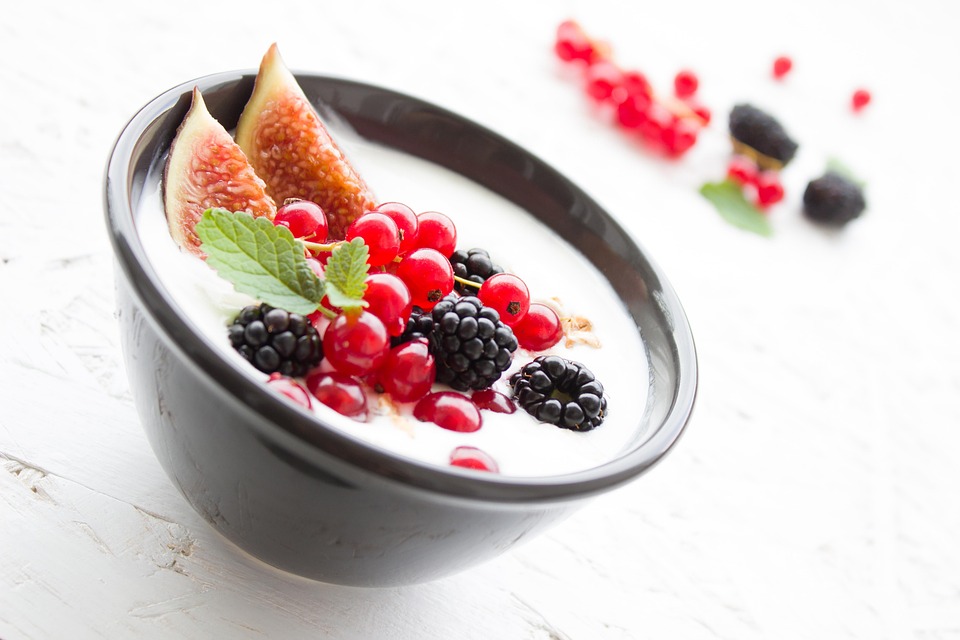
For a light snack, opt for Greek yogurt topped with a handful of fresh berries. Greek yogurt is high in protein and low in calories, while berries add natural sweetness and antioxidants.
Incorporating Low-Calorie Meals into Your Lifestyle
Transitioning to a low-calorie diet doesn’t have to be overwhelming. Start by making small changes to your daily eating habits. Here are some strategies to help you incorporate low-calorie meals into your lifestyle:
Plan Your Meals
Planning your meals ahead of time can help you make healthier choices and avoid last-minute temptations. Dedicate some time each week to preparing your meals.
Practice Portion Control
Serving sizes can be deceiving, especially when dining out. Be mindful of portion sizes and try using smaller plates to help control portions.
Stay Hydrated
Sometimes our bodies confuse thirst with hunger. Ensure you’re drinking enough water throughout the day to stay hydrated and prevent unnecessary snacking.
Listen to Your Body
Pay attention to hunger and fullness cues. Eat when you’re hungry and stop when you’re full. Mindful eating can prevent overeating and help you enjoy your meals more.
Conclusion
Adopting a lifestyle that includes delicious low-calorie meals can lead to numerous health benefits, from weight management to improved energy levels. With a bit of creativity and planning, you can enjoy meals that are both satisfying and nutritious. Remember, the key is to focus on fresh ingredients, lean proteins, and mindful eating practices. Start today and take the first step towards a healthier, happier you.
#ChatGPT assisted in the creation of this article.